
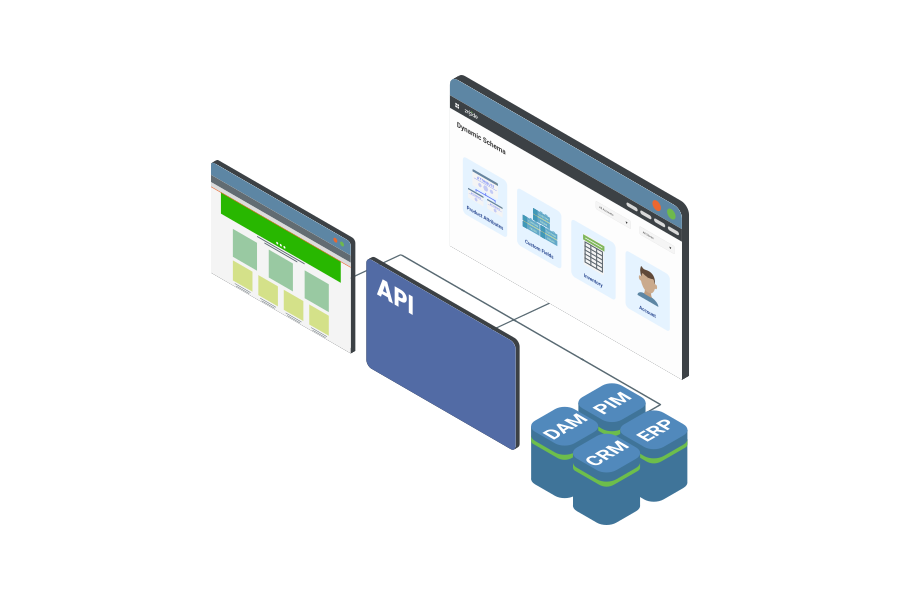
Dynamic Schema Built for B2B Ecommerce Data
The Znode Dynamic Schema allows organizations to extend complex ecommerce data within an API-first platform. Attributes and custom objects are created across core entities. Each extension is immediately available across APIs, storefronts, and systems. Schema changes are managed through configuration, allowing data models to evolve without introducing system or data complexity.
The Znode Dynamic Schema enables:
- Attribute creation across products, accounts, pricing, orders, and more
- Structured management of external or unstructured data
- Configuration-based data model extension
- Creation of new entities as custom tables within the Znode Admin Console
- Automatic API exposure of new data fields and entities
- Consistent data access across systems
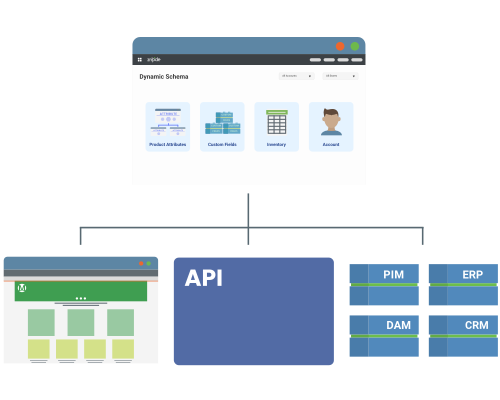

Turn B2B Data into Connected Ecommerce
See how Znode enables structured data extension across systems without added complexity.

Dynamic Schema Native to the Core of Znode
Complex data defines B2B ecommerce. Product, pricing, and account data vary widely and often originate in ERP and external systems not built for commerce. Rigid schemas force teams to adapt data or rely on custom development, creating rework and risk as data changes.
Znode removes this constraint with a native dynamic schema built on an API-first architecture. Data models extend through configuration, with changes immediately available across storefronts and systems through a consistent API layer.
The Impact of Native Dynamic Schema in Znode

Accelerated Speed-to-Market
New data requirements can be implemented and activated across systems without delaying execution.

Reduced Technical Complexity
Eliminate custom databases, schema modifications, and integration rework.

Consistent Data Across Systems
Data remains aligned across ecommerce, ERP, CRM, and other systems through a unified model.

Adaptability at Scale
Support evolving business models, customer requirements, and go-to-market strategies without platform constraints.
Dynamic Schema Built on API-First Architecture
Znode connects a dynamic data model with an API-first architecture to ensure that data is flexible and immediately usable. Data structures are extended through configuration, while the API layer ensures consistent access across storefronts, integrations, and operational workflows. This eliminates the need to modify databases or create custom APIs to expose new data. The result is a unified model where data can evolve and remain accessible across the entire commerce ecosystem.
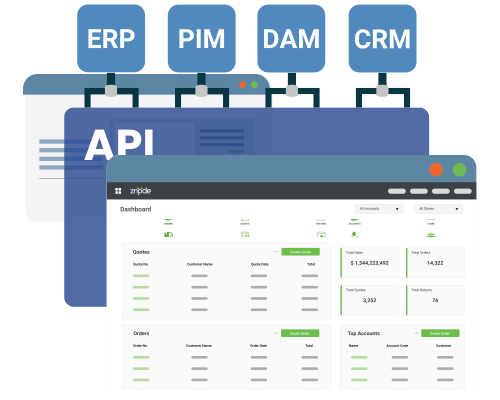
Core Dynamic Schema Capabilities

Attribute Management Across Entities
Create attributes across products, accounts, pricing, orders, and other data objects to support merchandising, segmentation, and operations.

Custom Tables for Extended Data Models
Store and manage structured or unstructured data directly within Znode using custom tables, reducing reliance on external databases.

API-Driven Data Access
All schema changes, including attributes, custom tables, and user-defined fields, are automatically exposed through APIs for consistent access across systems.

Centralized Data Governance
Manage data structures within the Admin Console to maintain consistency across systems and experiences.

User-Defined Fields for Business-Specific Data
Extend existing data objects with user-defined fields to support unique business requirements without modifying core platform structures.

Configuration-Driven Extension
Extend the data model through configuration instead of development, allowing faster adaptation to new requirements.
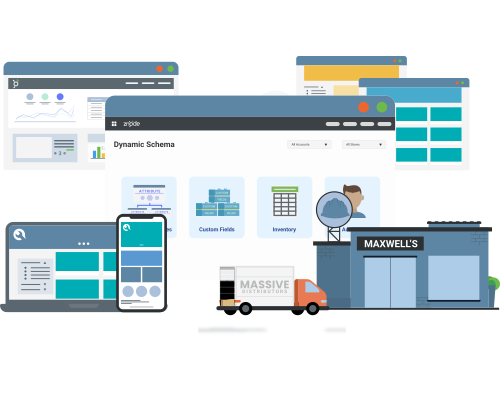
Dynamic Schema Across B2B Use Cases
Manufacturers, distributors, and wholesalers use the Znode Dynamic Schema to:
- Structure ERP data for ecommerce merchandising and search
- Manage account-specific data for pricing, contracts, and segmentation
- Support personalized storefront experiences based on customer attributes
- Consolidate data from multiple systems into a single platform
Supporting Complex Product Data in B2B Ecommerce with Znode
A leading B2B distributor uses Znode to manage complex product structures, starting from whole goods and drilling down into individual parts to find the correct component for specific applications. Through Znode’s flexible architecture and dynamic schema, this is achieved using custom tables for importing fitment data and leveraging product attributes to guide selection processes. This approach ensures accurate product matching, streamlined workflows, and an improved buyer experience for businesses dealing with intricate product catalogs.
Dynamic Schema FAQs
Turn Complex Data into High-Performing Ecommerce
Znode connects dynamic schema with API-first architecture to ensure ecommerce data can be extended and activated across the entire ecommerce ecosystem.
Request a Demo