
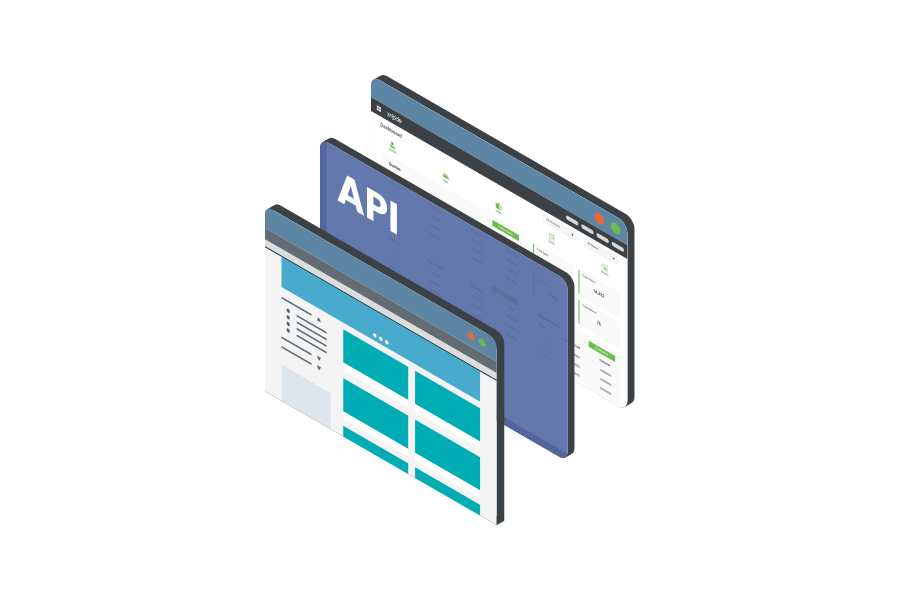
API-First Architecture
Znode is built on an API-first architecture that exposes core commerce capabilities through structured APIs. Organizations can integrate best-of-breed technologies, extend the platform, and adapt their ecommerce strategy without altering core functionality. Because Znode is built on APIs, rather than simply offering them, businesses gain greater flexibility without sacrificing core commerce capabilities.
Znode API-first architecture enables:
- Full access to commerce information and functionality through APIs
- Integration with ERP, CRM, PIM, CMS, and other systems
- Custom storefront and front-end experiences
- Extension of platform capabilities without modifying core code
- Structured and standardized access suitable for AI agent consumption
- Foundational and comprehensive security controls
- Structured data exchange across systems
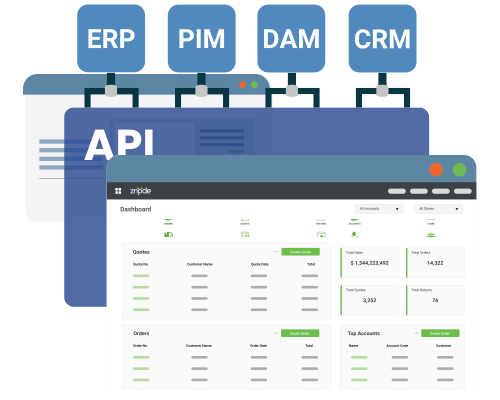

API-First Ecommerce for Connected B2B Operations
Explore how Znode exposes every core capability through APIs for integration and extensibility.
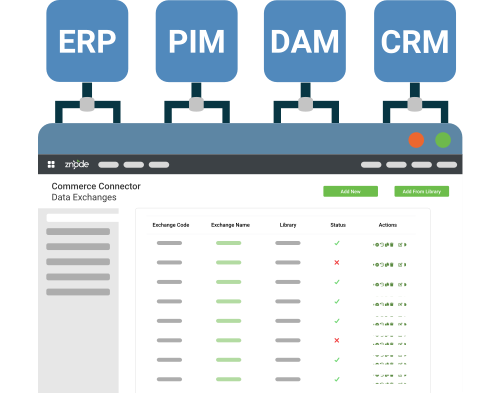
Znode Brings API-First Architecture to Enterprise B2B Ecommerce
Built for Complex B2B Environments

Flexible Ecommerce Architecture
Znode’s API-first architecture allows organizations to adapt ecommerce to complex B2B requirements. Account structures, pricing models, and workflows can be extended without platform constraints.

Multi-System Integration
APIs on Znode enable structured data exchange across ERP, CRM, PIM, and other business systems. Ecommerce operates as part of a connected ecosystem, not as an isolated platform.

Configuration Without Constraint
Organizations extend and tailor ecommerce capabilities through APIs without modifying core platform code. This preserves upgrade paths while reducing long-term maintenance effort.

Adaptable Go-to-Market Execution
Teams can evolve storefront experiences, integrations, and workflows as business strategies change. API-first architecture supports new channels, models, and customer requirements without replatforming.
API-First Architecture Built on Znode
Znode is built on an API-first architecture where every core commerce capability is exposed through APIs. The platform operates through a consistent backend foundation that supports storefronts, integrations, and business workflows without relying on custom code or rigid system constraints. This architecture allows organizations to extend ecommerce, integrate systems, and deliver digital experiences through structured APIs while maintaining control over how the platform evolves.
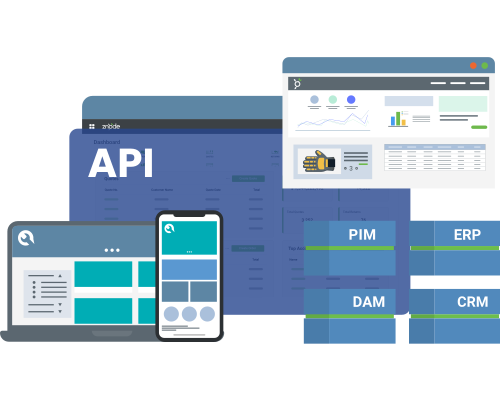
The Result of API-First Architecture on Znode
Flexibility to Adapt and Scale: Organizations can extend the platform, integrate new systems, and evolve their architecture without platform constraints.
Accelerated Speed-to-Market: New storefronts, integrations, and experiences can be implemented faster without rebuilding core functionality.
Lower Total Cost of Ownership: Configuration and API-based extensions reduce dependency on custom development and simplify long-term maintenance.
Best-of-Breed Ecosystem Support: Organizations can integrate specialized technologies across content, search, personalization, and operations.
Secure Data and Functionality Access: APIs enforce rigorous security policies as a foundational feature to ensure strong data protection and support for the highest organizational governance requirements.
Core API Architecture

API Access Layer
Every core capability in Znode is exposed through APIs. This creates a consistent access layer for storefronts, integrations, and external systems.

Extensive API Coverage
Znode provides comprehensive GraphQL and REST API access for core commerce functionality. This ensures full platform access without gaps or custom workarounds.

Separation of Core and Extension Layers
The commerce engine remains stable while extensions are built through APIs. This preserves upgrade paths and reduces long-term maintenance.

Faster Development Cycles
Developers work with consistent API endpoints instead of navigating platform constraints or custom integrations.
Extensive API Coverage
Znode provides comprehensive GraphQL and REST API access for core commerce functionality. This ensures full platform access without gaps or custom workarounds.

Scalable Architecture
Organizations can add systems, channels, and capabilities without destabilizing existing integrations.

Unified Platform Access
The same API layer supports storefronts, integrations, and operational workflows. Teams extend and manage ecommerce through a single, consistent model.

Support for Headless and Composable Architecture
Organizations can build custom front-end, portal and admin experiences and integrate external applications while using Znode as the commerce engine.
API-First Ecommerce in Real B2B Environments
Manufacturers, distributors, and wholesalers use the API-first architecture of Znode to:
- Integrate ERP systems for real-time pricing and inventory
- Connect CRM platforms for account and customer management
- Extend storefront experiences with custom front-end frameworks
- Support multi-system ecommerce operations across business units
Blog List
API-First Ecommerce FAQs
API-First Ecommerce, Built to Scale
Znode's API-first architecture provides the flexibility, scalability, and control required to support modern B2B ecommerce.
Request a Demo