
Headless Ecommerce Architecture for B2B
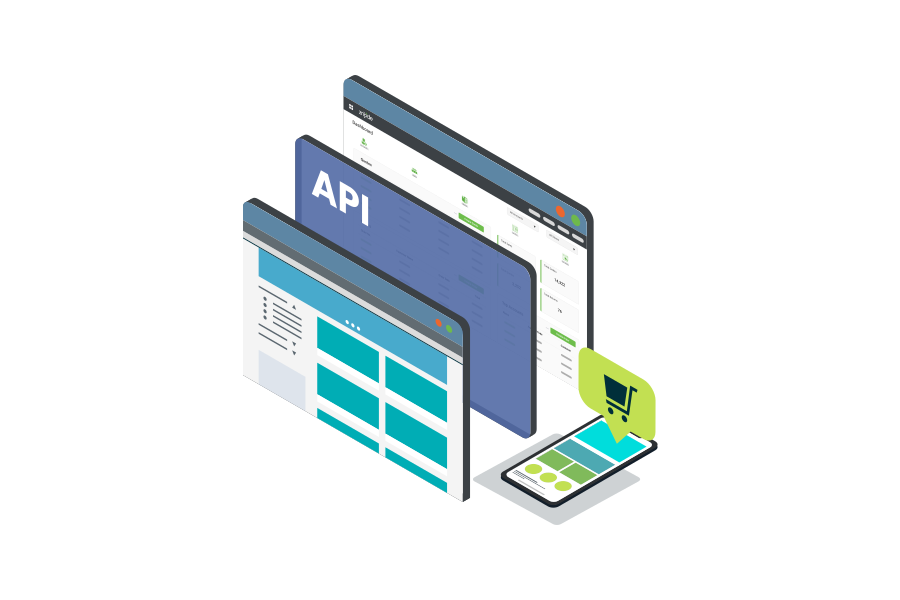
Headless ecommerce uses a decoupled commerce architecture that separates the customer-facing storefront from the backend commerce engine. This allows organizations to develop and manage digital experiences independently of core ecommerce functionality.
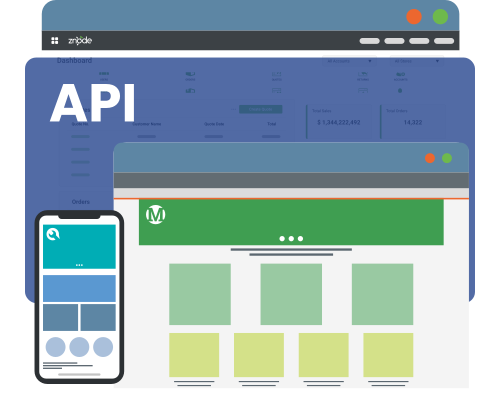
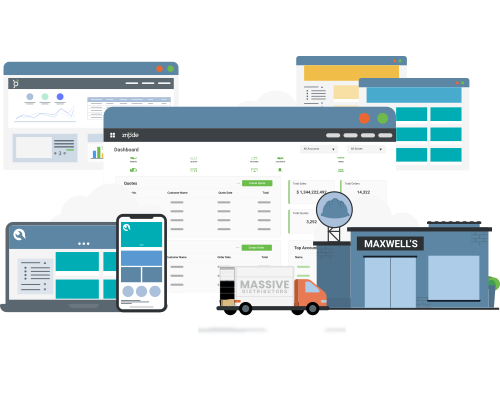
Znode’s API-first, headless ecommerce platform separates the front end from the underlying commerce engine, giving manufacturers, distributors, and wholesalers the flexibility to create distinct storefronts, portals, and digital experiences while maintaining centralized control over ecommerce operations.
Znode's headless architecture enables:
- Custom storefronts, customer portals, and digital applications Independent front-end development and updates
- Multiple storefronts, brands, and channels
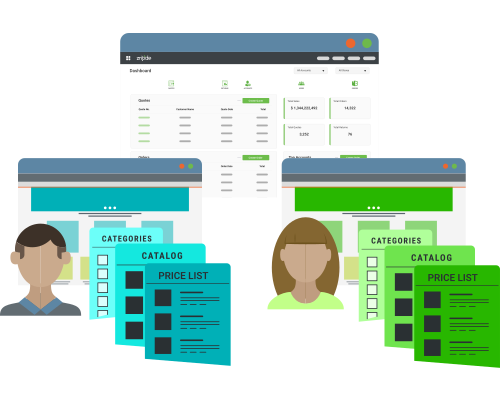
- Account-specific catalogs, pricing, and purchasing workflows
- Integration with ERP, CRM, PIM, CMS, and other business systems
- Native storefront options and custom front-end development
- Centralized management of core commerce operations

The Flexibility to Deliver Better B2B Buying Experiences
Traditional ecommerce platforms can limit flexibility when storefront design and backend functionality are tightly connected. Headless ecommerce allows manufacturers and distributors to develop distinct buying experiences across brands, markets, and channels.
Znode combines this flexibility with comprehensive B2B ecommerce capabilities. Organizations can support different business models and customer requirements while maintaining centralized commerce operations.
Built for Complex B2B Environments

Flexible Storefront Experiences
Build custom storefronts and portals for specific markets, customer segments, and business models without modifying core commerce functionality.

Multi-Store and Multi-Channel Support
Support multiple brands, business units, and digital channels with distinct storefront experiences and centralized ecommerce management.

B2B Personalization
Deliver account-specific catalogs, contract pricing, purchasing permissions, and workflows within customized buying experiences.

Flexible Storefront Development
Use native storefront capabilities to accelerate implementation or develop custom front-end experiences to meet unique business requirements.
Benefits of Headless Ecommerce for B2B
Accelerated Speed-to-Market: Launch new storefronts and buying experiences faster by leveraging existing ecommerce functionality and native development tools.
Greater Flexibility and Control: Design buying experiences around specific audiences, business models, and purchasing requirements without being limited by predefined storefront templates.
Simplified Ongoing Maintenance: Separating the storefront from core commerce functionality reduces the impact of front-end changes on back-end systems and helps preserve cleaner upgrade paths.
Lower Total Cost of Ownership: Reuse core commerce functionality, reduce unnecessary customization, and simplify ongoing maintenance as digital experiences evolve.
Adaptability for Future Channels: Extend ecommerce functionality to new digital touchpoints and applications as customer expectations and business strategies evolve.
Headless Architecture Built on Znode
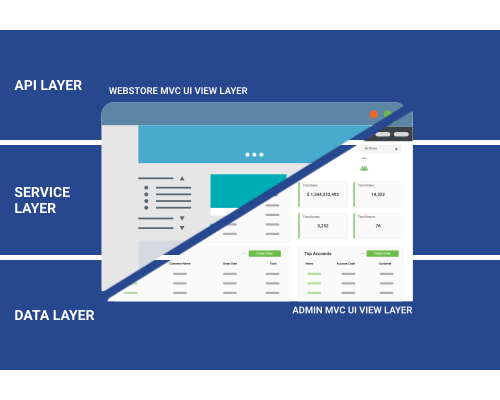
Znode uses an API-first architecture to support headless ecommerce. APIs connect independent storefronts, applications, and business systems to the core commerce engine. This separation allows organizations to choose how customer experiences are developed and delivered while relying on Znode to manage the underlying commerce operations. Znode provides native storefront capabilities for organizations seeking faster implementation, as well as the flexibility to build custom front-end applications using the technologies and frameworks that best meet their requirements.
Core Headless Commerce Capabilities

Decoupled Commerce Architecture
Build and update storefronts independently of backend commerce functionality, enabling greater design and development flexibility.

API-Driven Ecommerce Engine
Access core commerce capabilities through REST and GraphQL APIs to power storefronts, portals, and other digital applications.

Native Storefront Development Tools
Use Znode's native storefront capabilities and software development tools to accelerate implementation while retaining the flexibility to customize experiences.

Centralized Ecommerce Management
Manage products, catalogs, pricing, accounts, orders, and other B2B ecommerce functions across multiple storefronts from one platform.

Flexible Content Management
Use Znode's native CMS and Page Builder or integrate an external CMS to support the content management needs of different digital experiences.

Enterprise System Integration
Connect ecommerce with ERP, CRM, PIM, and other business applications to support data exchange and operational workflows.

Extensible Commerce Functionality
Extend storefront experiences and business processes through APIs while minimizing modifications to core platform functionality.

Multi-Store Architecture
Support multiple brands, customer segments, and channels with distinct storefront experiences and shared commerce capabilities.
Headless Ecommerce Use Cases for B2B
Manufacturers, distributors, and wholesalers use Znode's headless architecture to support a range of digital commerce applications.
Custom B2B Storefronts: Deliver buying experiences tailored to specific customer segments, product lines, or purchasing requirements.
Customer Self-Service Portals: Create account-specific experiences for order placement, order history, reordering, and account management.
Multi-Brand Ecommerce: Develop distinct storefront experiences for different brands while sharing underlying commerce functionality.
Mobile and Custom Applications: Extend ecommerce capabilities to mobile applications, specialized ordering interfaces, and other digital touchpoints.
Connected B2B Buying Experiences: Integrate ecommerce functionality into existing websites, enterprise portals, and business applications.
Blog List
Headless Ecommerce FAQs
Headless Ecommerce Built to Adapt and Scale
Build, extend, and scale digital commerce experiences on Znode,
headless ecommerce platform designed for complex B2B requirements.
Request a Demo